Naming |
| Botanical Name: |
Bellis perennis
|
| Common Names: |
English daisy; Common Daisy; Lawn Daisy; Bruisewort
|
| Key Name: |
English Daisy
|
| Parts Used: |
Flowers, leaves, roots
|
| Sister Plants: |
Bellis sylvestris, Leucanthemum vulgare, Chrysanthemum indicum
|
| Comments: |
Perennial herb attractive to early-season pollinators; thrives in lawns and grassy areas
|
Taxonomy |
| Kingdom |
Viridiplantae |
Phylum |
Streptophyta |
| Class |
Magnoliopsida |
Order |
Asterales |
| Family |
Asteraceae |
Genus |
Bellis |
| Species |
perennis |
NCBI Tax ID |
41492
|
| Organism |
Bellis perennis
|
|
Characteristics |
| Identifying Character: |
Perennial (2-6 in), low rosette stem, spoon-shaped Leaves, white or pink daisy-like flowers with yellow centers (0.5-1 in), blooming spring to early summer
|
| Stem: |
Low rosette, 2-6 in, green
|
| Leaves: |
Spoon-shaped, 1-4 inches, slightly hairy, dark green
|
| Flowers: |
White or pink daisy-like flowers, 0.5-1 in, with yellow centers, blooming March-June
|
| Fruit: |
Small achenes, 1-2 mm, ribbed
|
| Taste: |
Bitter (Leaves), mild (flowers)
|
| Odour: |
Mild, grassy scent from flowers
|
| Root: |
Fibrous root system
|
| Image: |
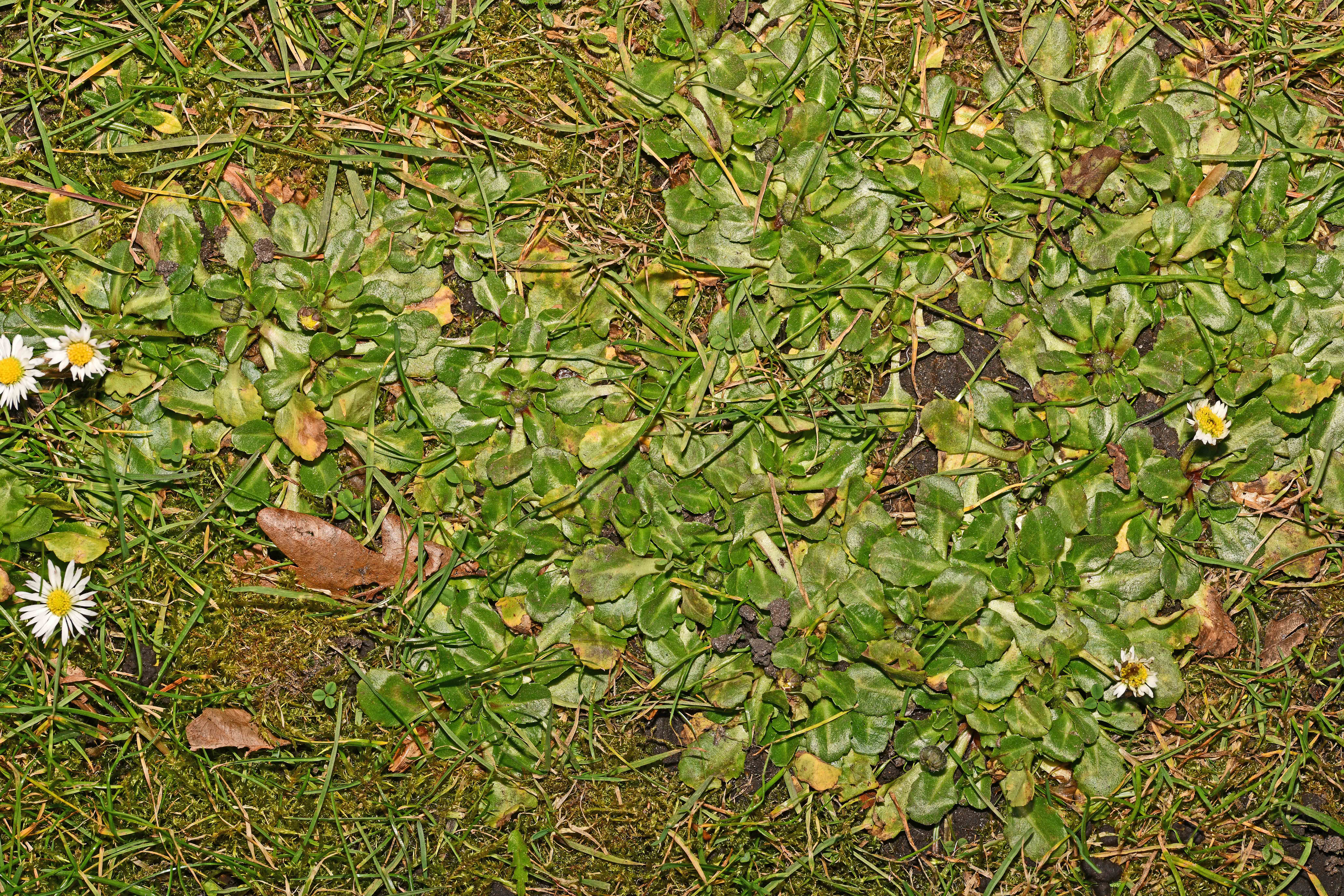
GBIF — CC BY
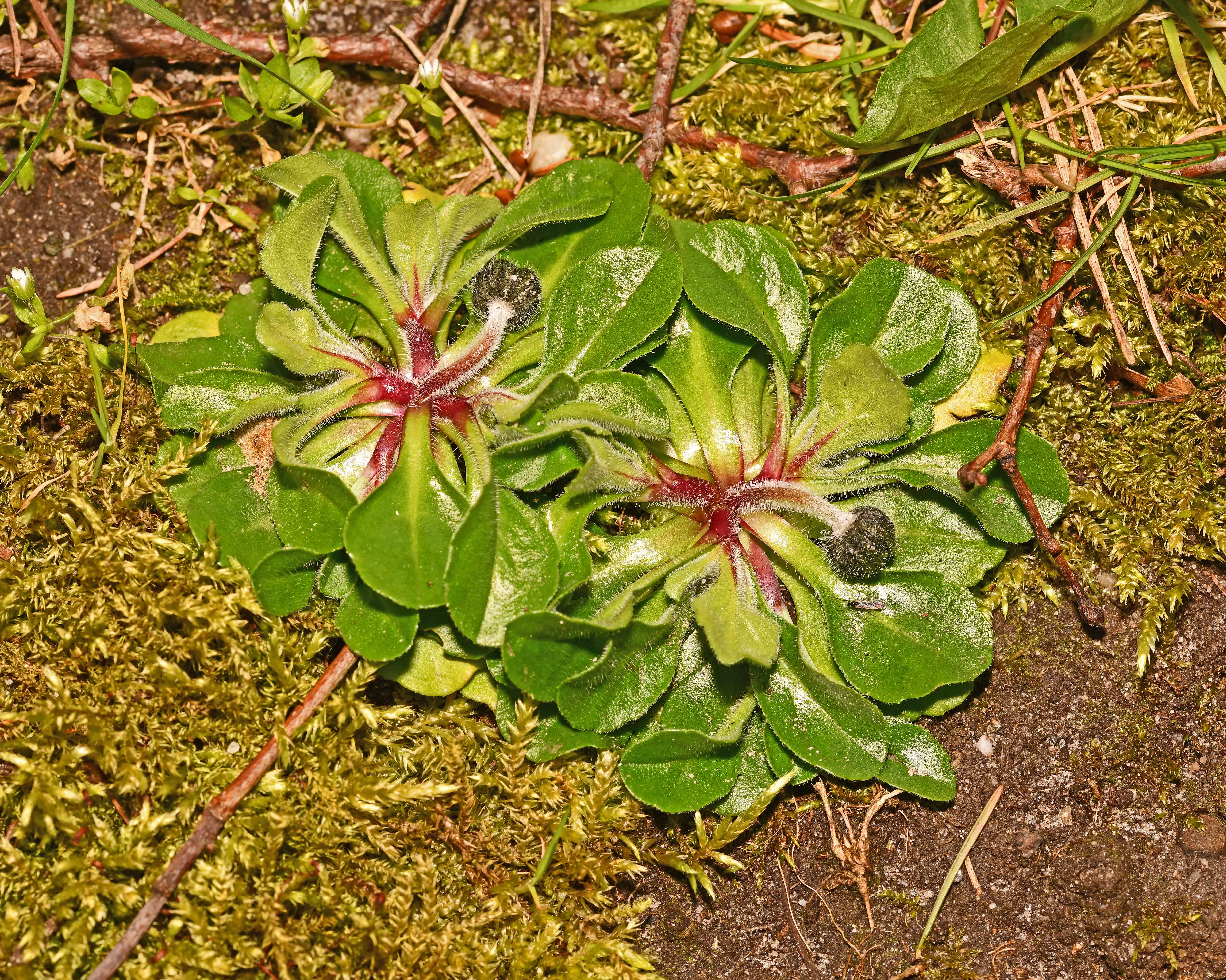
GBIF — CC BY
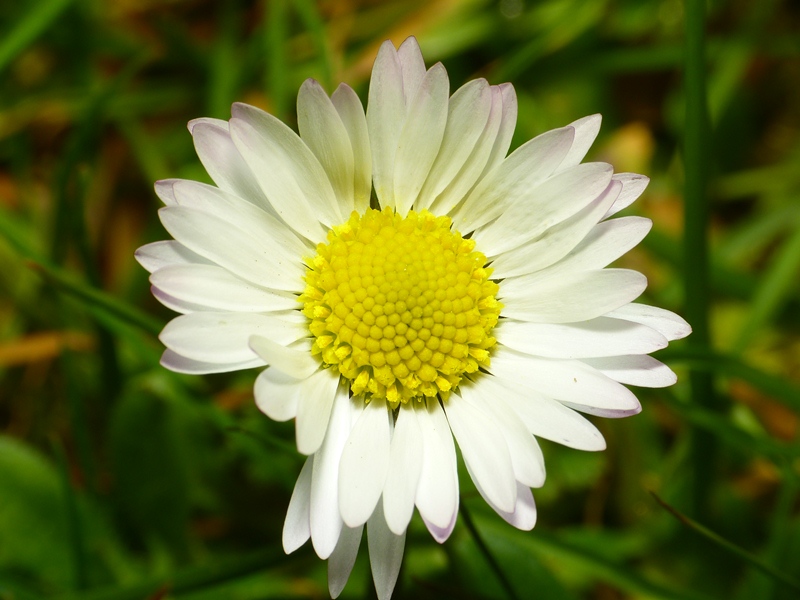
GBIF — CC BY

Bellis perennis
Wikipedia — Wikimedia
GBIF — CC BY
GBIF — CC BY
GBIF — CC BY
Bellis perennis
Wikipedia — Wikimedia
GBIF — CC BY
GBIF — CC BY
GBIF — CC BY
|
Distribution |
| Distribution: |
Native to Europe, naturalized in North America and elsewhere
|
| Cultivation: |
Plant in full Sun to partial shade, well-drained soil; sow seeds in spring or fall; space 6-12 inches apart; water moderately
|
| Harvest: |
flowers: Spring to early summer (March-June); Leaves: Spring
|
Medical |
| Therapeutic Action: |
Anti-inflammatory, Astringent, Diuretic, Expectorant
|
| Medical Uses: |
Used for Bruises, Inflammation, Urinary issues, and coughs; flowers for tea, Leaves for poultices
|
| Constituents: |
Tannins, Saponins, flavonoids (flavonoids)">flavonoids, Volatile oils
|
| Solvents: |
Water, alcohol (Tincture)
|
| Dosage: |
infusion: 1 tsp dried flowers/leaves in hot water, 1-2 times daily; Tincture: 1-2 mL three times daily
|
| Administration: |
Internal: infusion or Tincture; External: Poultice
|
| Formulas: |
|
| Contraindications: |
May cause mild Allergic reactions; avoid during Pregnancy; consult healthcare provider
|
| Preparation: |
infusion: Steep 1 tsp dried flowers/leaves in hot water 10 min; Poultice: Crush fresh Leaves
|
| Chinese: |
No documented use in Traditional Chinese Medicine
|
| Veterinary: |
Used for minor wounds or calming effects in livestock
|
| Homeopathic: |
No known homeopathic use documented
|
Pollination and Pollinators |
| Apis: |
No
|
| Pollinator: |
1
|
| Pollen: |
Yes
|
| Pollen Notes: |
Pollen attracts bees, some self-pollination
|
| Nectar: |
Yes
|
| Nectar Notes: |
Nectar-rich, attracts bees, early-season pollinators
|
Other |
| Non-Medical Uses: |
ornamental, ground cover
|
| Culinary Uses: |
flowers and Leaves edible in salads (use sparingly)
|
| History: |
Used in European folk medicine since ancient times; symbol of innocence in Victorian culture
|
| Reference: |
Plants For A Future; USDA NRCS
|
| URL: |
https://www.pfaf.org/user/Plant.aspx?LatinName=Bellis+perennis
|
| Share: |
Private
|